• The Art of Attention

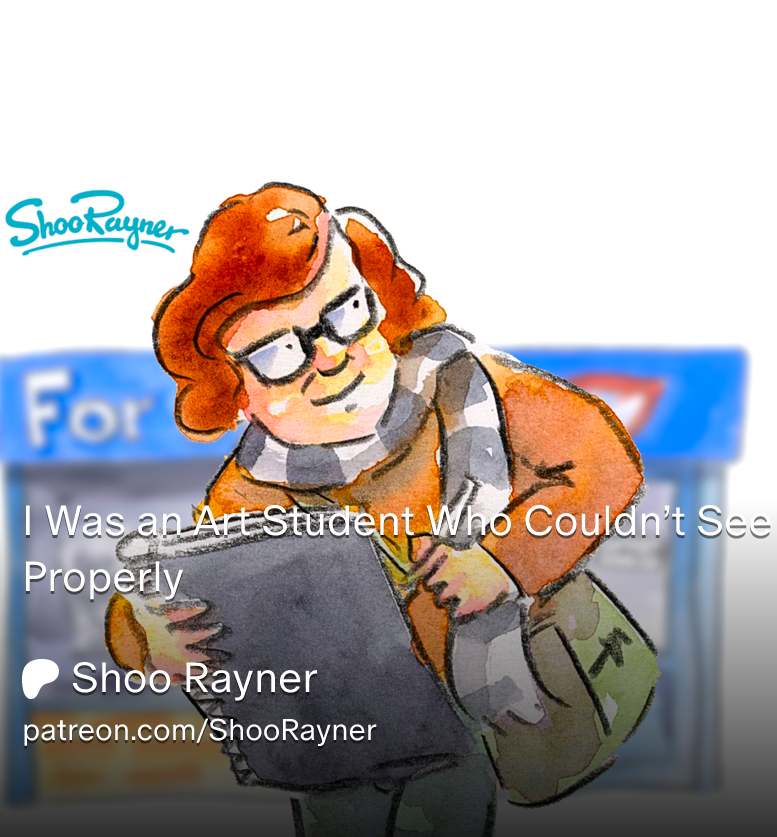
    Last week I went into Matlock Bath with a sketchbook.

    It was early. The tourists hadn’t arrived. The town was quietly getting itself ready for the day.

    I drew the drayman delivering barrels of beer to the pub. Then I wandered down to the river where the pedalo staff were mopping out boats after the previous night’s rain.

    Nothing spectacular, just ordinary people doing ordinary jobs. And somehow that felt enough.

    While I was walking back, I became distracted by sycamore seeds scattered all over the pavement. I found myself picking them up and looking at the extraordinary variety of shapes and colours. Before long my hands were full of them.

    It reminded me of the nature tables I loved as a child.

    More and more I’m thinking that’s what sketching really is, not simply making pictures, but paying attention.

    I’ve spent much of my life drawing to make a living. These days I’m becoming more interested in why we draw in the first place. Drawing slows us down. It encourages us to notice. And once we’ve really noticed something, we rarely see the world in quite the same way again.

    Maybe that’s why a sketch often feels more alive than a photograph. It’s not because it’s more accurate. It’s because it contains time and attention.

    I’d love to know what you’ve noticed recently.


  • For the last few years I’ve been wrestling with a question that I know many artists are asking:

    If AI can create beautiful pictures in seconds, what is the point of being an artist?

    I realised that what I was feeling wasn’t simply anxiety about technology. It was grief. The loss of a certainty about what it meant to be an artist.

    In this video I begin to explore an idea that has been taking shape in my mind.

    Perhaps we’ve misunderstood the role of the artist.

    I imagine culture as a fertile valley that every generation inherits. We all draw from it – its books, music, paintings, films, discoveries and ideas. This is our common wealth: not money, but the shared richness of human experience.

    As artists, writers and creators, our task is not simply to take from that valley but to tend it. To repair a broken gate. To cultivate neglected ground. To plant something new that future generations can enjoy.

    AI may change how images are made, but it doesn’t change our responsibility to contribute.

    Perhaps that has always been the real work of the artist.

    I’d be interested to know whether this idea resonates with you. Please leave a comment below, or get in touch through the contact page.


  • Brownsea Island, Dorset. Watercolour postcard sketch made from life on the beach and recreated later in the studio while reflecting on observation, memory and the purpose of art.

    This weekend we visited Brownsea Island and spent a quiet afternoon on the beach. The weather was grey and cool at first, but when the sun finally appeared my wife and a newly-discovered relative decided to brave the sea.

    While they waded into the cold water, I pulled out a small watercolour postcard and made a quick sketch.

    Looking at it later, I realised something. People often ask how I developed my loose sketching style.

    I don’t think looseness is something you can simply learn. It comes from years of drawing, observing and making mistakes until you finally trust yourself to leave things out.

    In this video I try to recreate the sketch in the studio and discover why it worked in the first place.

    The answer isn’t really about watercolour technique. It’s about attention.

    When we’re sketching, we’re forced to slow down. We notice things. We spend time looking. Every brushstroke becomes attached to a memory of the moment.

    In a world full of photographs, social media, AI-generated images and endless distractions, perhaps that’s the real value of sketching. Not that it produces a picture, but that it helps us pay attention.

    Watch the video below and let me know what you think.

    Can a sketch sometimes tell us more than a photograph?